
 By ABDULLAH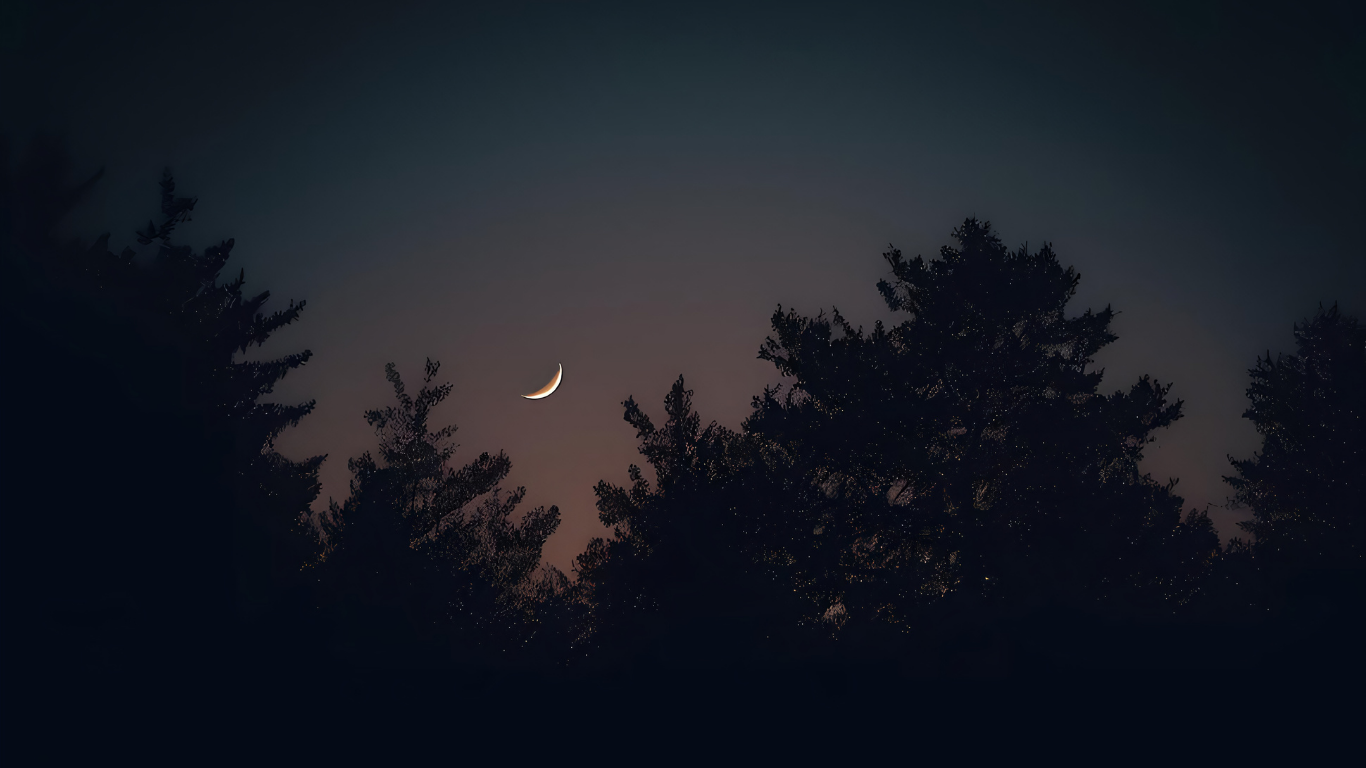
Pakistan is preparing for a much-anticipated celestial moment as the Space and Upper Atmosphere Research Commission (SUPARCO) has forecasted the sighting of the Rabi-us-Sani moon on September 23, 2025. This moon sighting will mark the beginning of the fourth Islamic lunar month, a period that carries deep religious and cultural importance for the country’s more than 220 million Muslims.
The announcement has sparked excitement nationwide, with many already looking to the skies to catch a glimpse of the new moon.
According to SUPARCO’s calculations, the new moon will be born on September 22, 2025, at 12:54 AM (PST). By the evening of September 23, the moon will be around 41 hours and 54 minutes old, making it easily visible in many parts of Pakistan under clear skies.
The expected visibility window is about 45–46 minutes after sunset, especially along coastal areas. SUPARCO highlighted that the moon’s illumination will be about 4%, enough to be spotted by the naked eye for most observers.
Based on these parameters, there are very strong chances that the first day of Rabi-us-Sani will fall on September 24, 2025.
However, the Ruet-e-Hilal Committee of Pakistan remains the final authority to confirm the start of the Islamic month. The committee will rely on credible witnesses across the country, ensuring that both science and tradition are respected.
The Islamic calendar is lunar-based, meaning each new month begins with the sighting of the moon. The Rabi-us-Sani moon is particularly significant as it follows Rabi-ul-Awwal, the month in which Muslims commemorate the birth of the Holy Prophet Muhammad (PBUH).
For many communities in Pakistan, Rabi-us-Sani also brings opportunities for spiritual gatherings, religious lectures, and cultural traditions. Families often step outside after Maghrib prayers to spot the thin crescent, turning the event into a moment of faith, unity, and heritage.
Moon sighting in Pakistan has often been a topic of debate due to conflicting reports from different regions. This is where SUPARCO’s role becomes crucial. By providing accurate astronomical data, SUPARCO helps reduce confusion and supports the Ruet-e-Hilal Committee in its decision-making.
The use of modern science, combined with eyewitness testimonies, ensures greater reliability. It also highlights Pakistan’s progress in space research and technology, with SUPARCO increasingly bridging the gap between astronomy and faith.
As soon as SUPARCO issued the forecast, social media platforms lit up. Hashtags like #RabiUsSaniMoonSighting began trending on X (formerly Twitter).
- One user posted: “Rabi-us-Sani moon on September 23 — can’t wait to spot it with family!”
- Another wrote: “Thanks SUPARCO for the clarity. No more confusion, science + faith together.”
While some people debated visibility in cloudy regions, others shared tips for the best viewing spots from Karachi’s coastline to the open skies of Balochistan. The buzz reflects how moon sighting is more than astronomy it’s a shared cultural celebration.
Despite clear forecasts, challenges remain. Weather conditions, especially in northern Pakistan, may obscure visibility. Cloud cover has often delayed confirmations in the past.
Another issue is reporting from rural areas, where communication networks are weaker. This can delay or complicate the Ruet-e-Hilal Committee’s verification process.
Nonetheless, the combination of scientific data and public witness reports ensures that the process remains authentic while honoring tradition.
The Rabi-us-Sani moon sighting is not just about marking a date on the calendar. It is a moment of unity, when families gather, communities share prayers, and the nation collectively looks to the sky.
For many, it is also a reminder of the beauty of Islamic traditions, where faith and science intersect to bring clarity and harmony.
As one user wrote on X: “Moon sighting is not just a ritual. It’s a memory we share every year with family and faith.”
If the moon is sighted as predicted on September 23, 2025, Pakistan will begin Rabi-us-Sani Home1447 AH on September 24. SUPARCO will continue monitoring future lunar events, helping Pakistan strengthen its lunar calendar accuracy.
In the meantime, families and skywatchers are encouraged to participate in the tradition whether through direct observation, reporting to local committees, or sharing their experiences on social media.
The Rabi-us-Sani moon sighting serves as a reminder that even in today’s fast-moving world, simple celestial events still hold the power to unite faith, culture, and science.