
 By ABDULLAH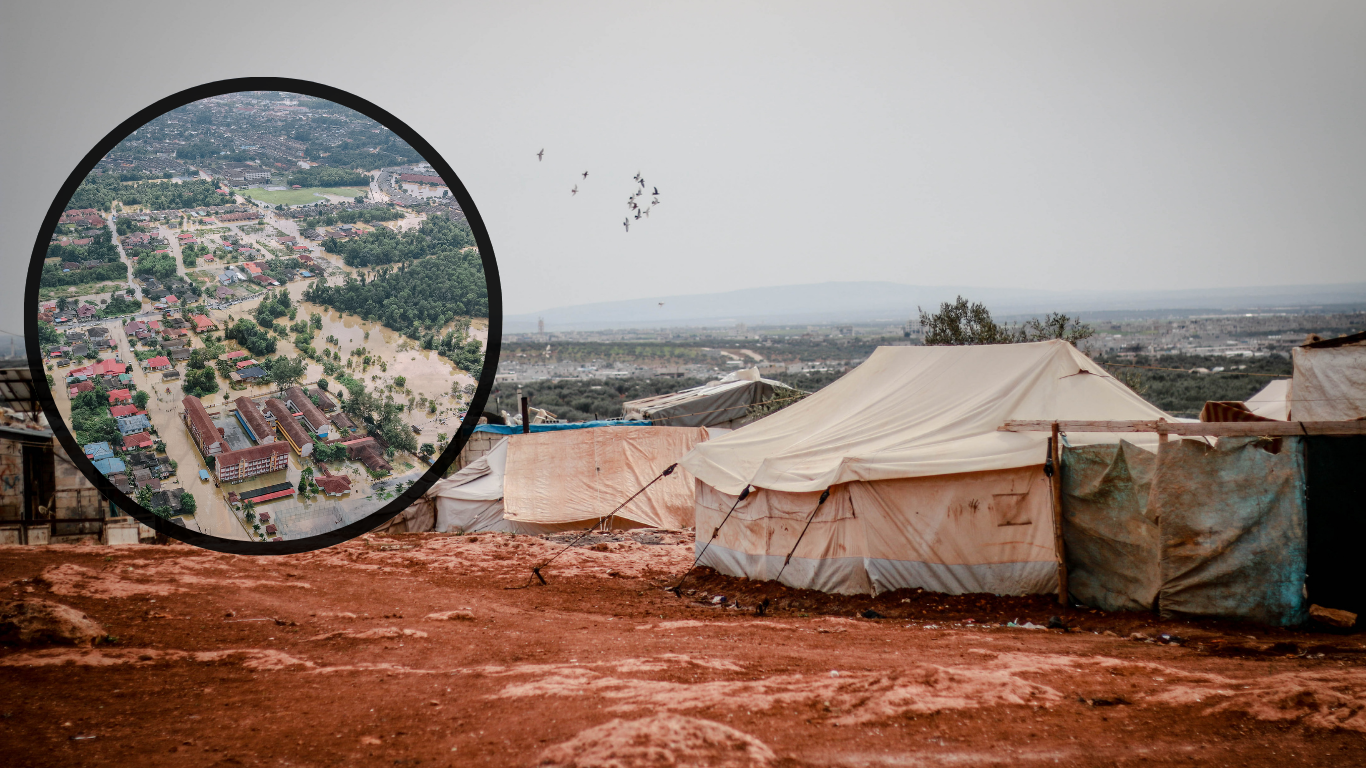
Authorities in Punjab’s Lodhran district have set up three major tent cities to house evacuees after warnings of a high flood surge in the Sutlej River. Officials fear a discharge of 130,000 to 140,000 cusecs, which could impact nearly 30,000 residents and dozens of villages in the coming days.
District officials say all precautionary and protective measures are in place, but the situation remains critical.
According to the district administration, two relief camps have been established in Haveli Naseer Khan and Boys High School, Lodhran, while a third has been set up in Bahawalgarh, Kahror Pakka.
“All necessary facilities have been arranged at these camps,” said Additional Deputy Commissioner (Revenue) Syed Waseem Hassan Shah while briefing reporters. He added that each site is equipped with food supplies, drinking water, medical assistance, and bedding for displaced families.
Authorities have also urged residents in vulnerable areas to move immediately to safer zones or designated relief camps when instructed.
Deputy Commissioner Dr. Lubna Nazir personally visited flood-prone areas including Adam Wahan and Munshi Wala Basti. During her visit, she supervised the relocation of household belongings, directed the evacuation of livestock, and oversaw protective embankments.
She warned that if the Sutlej River experiences a high-level flood, nearly 40 villages could be at risk.
“So far, nearly 80% of residents in flood-prone zones have been evacuated,” Dr. Nazir confirmed. She emphasized that the Punjab government under Chief Minister Maryam Nawaz Sharif is closely monitoring the situation and extending maximum assistance.
The district administration has already imposed Section 144 along riverine belts to prevent unnecessary movement in hazardous areas. Announcements via loudspeakers and megaphones are being made in villages, urging residents not to delay evacuation.
Relief officials have also finalized demand lists for emergency equipment, including:
- Boats for rescue operations
- Tents and bed sheets
- Life jackets and mosquito nets
- Mats, blankets, and first aid supplies
The government has pledged to provide these supplies immediately.
Images of submerged farmlands and families moving to relief camps have gone viral on social media. Local residents have expressed both fear and gratitude.
One resident from Adam Wahan shared on X (formerly Twitter):
“We have lost our homes and livestock, but at least the government has moved us to safe camps. Now we just pray the water doesn’t rise further.”
Another commented on Facebook:
“This is the worst flood we’ve seen in decades. People need immediate food and clean water. We can’t survive without urgent help.”
The Sutlej River, running nearly 70 km through Lodhran, has a history of devastating floods. This year’s monsoon, intensified by heavy rains in both India and Pakistan, has raised water levels to alarming heights.
Experts warn that climate change is worsening flood risks in Punjab, with rising rainfall intensity and glacial melt contributing to overflow events. Lodhran, being a low-lying district, often faces severe threats during flood seasons.
- Population at Risk: 25,000–30,000 people in at least 40 villages
- Agricultural Losses: Thousands of acres of standing crops could be destroyed
- Health Concerns: Waterborne diseases such as diarrhea, dengue, and malaria are likely in overcrowded relief camps
- Economic Strain: Displacement could impact local businesses, livestock farmers, and transport routes
Q1: Which areas in Lodhran are most at risk?
Adam Wahan, Munshi Wala Basti, and villages along the Sutlej’s 70 km belt are considered most vulnerable.
Q2: How many tent cities have been established?
Three — two in Lodhran (Haveli Naseer Khan, Boys High School) and one in Bahawalgarh, Kahror Pakka.
Q3: What is the government doing to help?
Relief camps are operational with food, water, and medical supplies. Rescue equipment like boats and life jackets are being arranged. Section 144 has been imposed to keep people away from danger zones.
Q4: How many people could be displaced?
Authorities estimate 25,000–30,000 residents may need to be relocated if water levels rise further.
Q5: Why are floods worsening every year in Punjab?
Heavy monsoons, climate change, and poor river management contribute to recurring flood crises.
The Lodhran floods 2025 highlight both the growing climate challenges Pakistan faces and the urgent need for preparedness and relief infrastructure. While authorities are taking swift action with evacuation and tent cities, the coming days will determine whether these efforts are enough to protect lives and property.
For now, residents are being urged to prioritize safety over belongings and cooperate fully with relief workers.