
 By ABDULLAH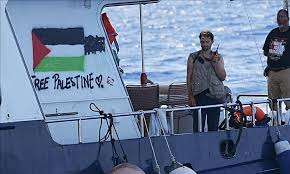
Israeli forces have announced plans to deport more than 450 international activists detained from the Global Sumud Flotilla, a massive humanitarian convoy that attempted to deliver aid to war-torn Gaza. The move has sparked outrage and protests worldwide, with rights groups calling the naval interceptions illegal under international law.
The flotilla, which originally set sail from Spain with over 40 boats and nearly 500 people on board, was intercepted in international waters earlier this week. The boats carried humanitarian supplies, medical aid, journalists, and prominent figures including:
- Greta Thunberg, Swedish climate activist
- Nkosi Zwelivelile Mandela, grandson of Nelson Mandela
- Mushtaq Ahmad, former Pakistani senator
- Several members of the European Parliament, lawyers, and human rights defenders
Israeli naval forces jammed live communications, seized the vessels, and redirected them to Ashdod port, where hundreds of passengers remain in custody. Officials have confirmed that deportation procedures have already begun, with at least four Italian citizens flown home.
One boat, the Polish-flagged Marinette, was the final vessel intercepted on Friday morning. Livestreams from the ship showed armed Israeli troops boarding as passengers held up signs reading “We see a ship!” just minutes earlier.
Activists said the Marinette was still in international waters, more than 40 nautical miles from Gaza, when it was seized. The Global Sumud Flotilla (GSF) insists Israel’s actions were “illegal abductions” and demanded the immediate release of detainees.
The interception has ignited protests in cities across Italy, Spain, Greece, Colombia, Pakistan, Argentina, and Tunisia. Trade unions in Italy even announced a general strike in solidarity with detained citizens.
Global leaders and institutions have also condemned Israel’s actions:
- Colombian President Gustavo Petro expelled Israeli diplomats and cancelled a free trade deal, calling the operation “an international crime by Netanyahu.”
- Amnesty International labelled the Gaza blockade unlawful and accused Israel of decades of impunity.
- Reporters Without Borders (RSF) confirmed that over 20 journalists were among those detained, calling their arrest “a violation of press freedom.”
- Several European governments, including Germany, France, Ireland, and Spain, urged Israel to respect international law.
Meanwhile, Israeli officials defended the operation, arguing the flotilla was attempting to “breach a lawful naval blockade” around Gaza, which they described as an active combat zone.
The controversy has once again highlighted the humanitarian crisis inside Gaza. The United Nations has already confirmed famine conditions, with aid groups warning that Israel’s blockade has restricted food, medicine, and relief supplies.
Swedish activist Greta Thunberg, detained during the operation, was shown in Israeli footage being handed water and a jacket, with officials insisting all detainees are “safe and in good health.” But activists allege they were targeted with water cannons and violence during the seizures.
The Global Flotilla Coalition says more aid missions will be launched in the coming days, despite Israel’s vow to block any attempt to breach its naval cordon. With global pressure mounting, the fate of the detained activists and the international community’s response could shape the next chapter of the ongoing Gaza crisis.
For now, Israel’s decision to deport hundreds of foreign nationals may calm diplomatic tensions temporarily, but it has also amplified global scrutiny of its blockade and reignited calls to separate humanitarian efforts from the politics of war.