
 By ABDULLAH
In a major push towards sustainable transportation, the Government of Pakistan is set to unveil a revolutionary Electric Vehicle (EV) Policy on August 14, 2025, with a substantial Rs. 100 billion subsidy package co-developed with the International Monetary Fund (IMF).
This five-year policy will prioritize the mass distribution of electric bikes and rickshaws, aiming to reduce Pakistan’s dependence on fossil fuels, combat environmental pollution, and uplift the local EV manufacturing industry.
The IMF-backed EV policy outlines a phased rollout of subsidies over the next five years:
| Fiscal Year | Subsidy Allocation (PKR) |
|---|---|
| FY25 | 9 Billion |
| FY27 | 19 Billion |
| FY28 | 24.16 Billion |
| FY29 | 26.62 Billion |
| FY30 | 22.64 Billion |
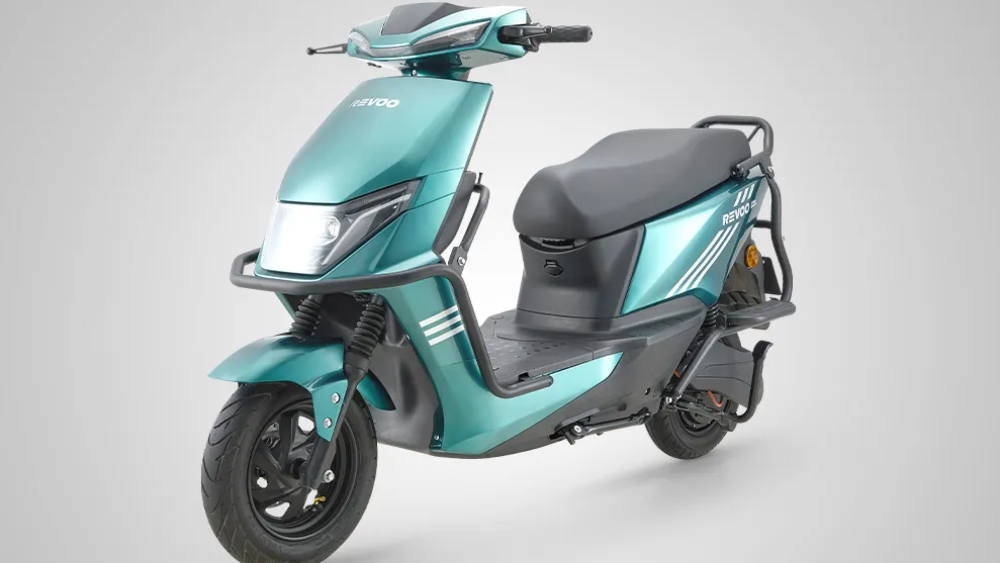
At the core of the policy is the distribution of 116,000 electric bikes on two-year installment plans, starting immediately after the policy launch. Citizens aged 18 to 65 years will be eligible for the scheme.
- Price of each e-bike: ~PKR 250,000
- Subsidy offered: PKR 50,000 per unit
- Remaining cost: Payable in easy monthly installments
This move is expected to make eco-friendly transportation accessible to a wider population while reducing the financial burden on citizens.
So far, 17 local manufacturers have secured licenses to produce electric bikes under this initiative. This step is expected to generate employment opportunities, strengthen the EV industry, and promote ‘Make in Pakistan’ goals.
This policy is a strategic correction to the shortcomings of the previous EV policy, which missed its targets dramatically:
| Category | Target (2020-25) | Achieved |
|---|---|---|
| 2 & 3-Wheelers | 500,000 | 50,000 |
| Electric Buses | 1,000 | 200 |
| Electric 4-Wheelers | 100,000 | 3,000 |
| Electric Trucks | 100,000 | 1,000 |
The new roadmap sets far more ambitious and actionable goals:
- 2.2 million EVs by 2030
- 30% of all vehicles to be electric by 2030
- 90% EV penetration by 2040
- 100% zero-emission vehicles by 2060
With global oil prices surging and environmental concerns intensifying, Pakistan’s aggressive EV strategy offers multiple benefits:
- ✅ Reduced fuel import costs
- ✅ Lower carbon emissions
- ✅ Energy-efficient public and private transport
- ✅ Job creation through local EV assembly
- ✅ Empowerment of youth and low-income groups through affordable mobility
Prime Minister Shehbaz Sharif is expected to formally launch the policy on August 14, marking a new era of clean energy transition in the country.
The announcement will be accompanied by the rollout of electric bikes, symbolizing Pakistan’s commitment to climate responsibility and economic reform under IMF-backed development frameworks.
With international financial backing, government determination, and local industry participation, this EV policy has the potential to transform Pakistan’s transportation ecosystem and position the country as a regional leader in green mobility. Home