
 By ABDULLAH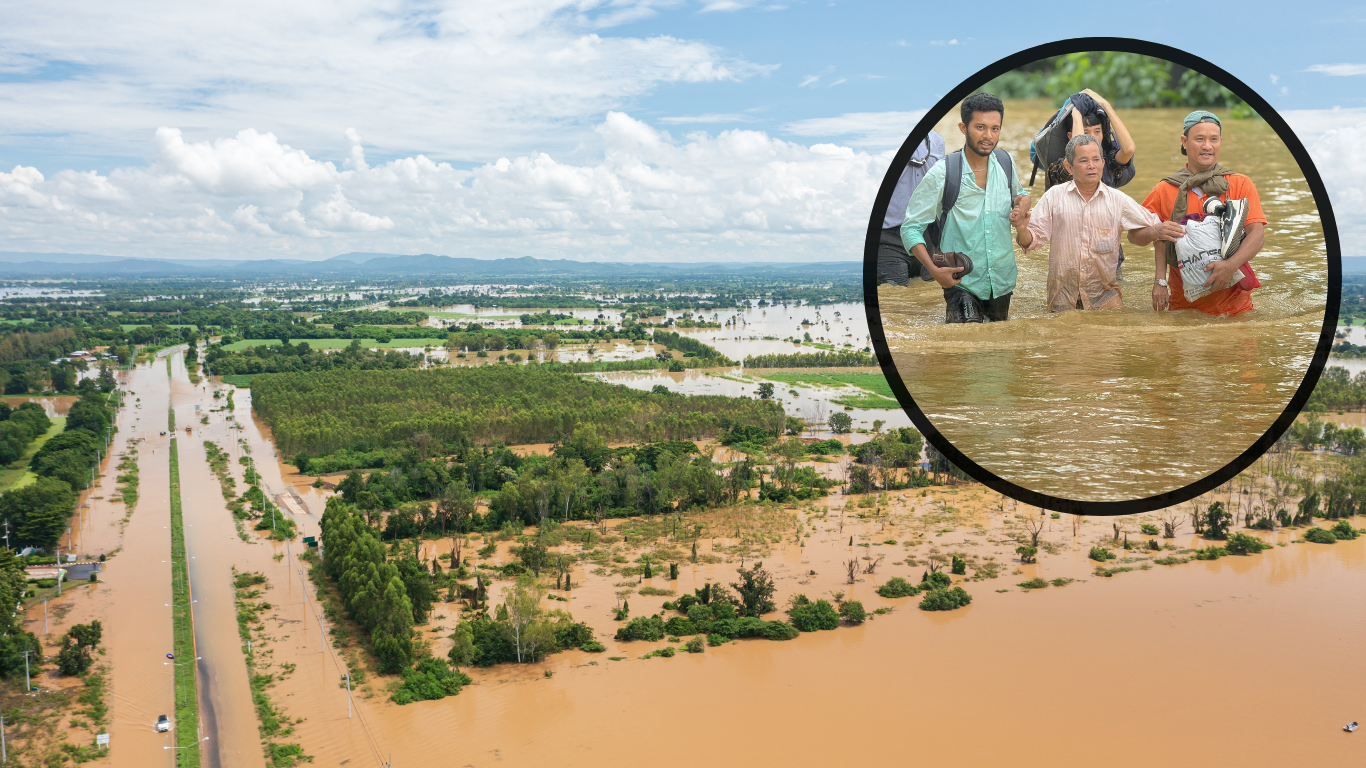
Punjab, Pakistan’s most populated province, is facing one of its worst monsoon flood emergencies in decades. Rivers Ravi, Chenab, and Sutlej have crossed critical levels, leaving 17 confirmed dead, hundreds injured, and over 1.2 million people displaced. Thousands of homes, villages, and farmlands have been inundated, while major religious sites including Kartarpur Sahib are at risk.
Authorities warn the situation remains dangerous as inflows from India continue, raising fears of more flooding in both Punjab and downstream Sindh.
According to the Punjab Disaster Management Authority (PDMA) and FFD Lahore, as of August 28, 2025:
- Chenab River: Declining at Marala and Qadirabad but still extremely high at Khanki (335,956 cusecs).
- Ravi River: Rising trends at Shahdara (217,660 cusecs) and Ravi Siphon (220,627 cusecs).
- Sutlej River: Extremely high at Ganda Singh Wala (261,053 cusecs) and Sulemanki (113,124 cusecs).
🚨 Officials warn that these sustained high inflows could further devastate low-lying areas in Lahore, Narowal, Hafizabad, and Rahim Yar Khan.
Flooding has affected nearly 1,400 villages across Punjab. The NDMA reported:
- Chenab impact: 991 villages, 769,000+ people displaced
- Ravi impact: 80 villages, 74,000+ people displaced
- Sutlej impact: 361 villages, 392,000+ people displaced
More than 148,000 livestock have been moved to safer areas, while 234 animal treatment camps have been set up. Relief camps now shelter 25,000 displaced citizens, though many remain stranded.
👉 “Every life is precious. By the grace of Allah, we avoided a bigger tragedy, but the damage is still severe,” Punjab CM Maryam Nawaz said while inspecting Shahdara’s flood-hit areas by boat.
Floodwaters in the Ravi River have placed Kartarpur Sahib Gurdwara, a major Sikh pilgrimage site on the Pakistan–India border, under threat. Images of rising waters have sparked concern on both sides. Sikh leaders and diaspora communities are urging urgent protective measures.
👉 On social media, many Sikhs expressed sorrow, calling Kartarpur “not just a holy site, but a symbol of peace and interfaith harmony.”
- Rescue 1122 teams are operating boats to evacuate stranded families.
- The Pakistan Army has joined relief efforts in Narowal, Hafizabad, and Sialkot.
- Federal and provincial governments are coordinating emergency shelters, food distribution, and medical camps.
Senior minister Marriyum Aurangzeb noted:
“More than 200,000 livestock and thousands of families have been moved to safe locations. Ministers are supervising relief work in every district.”
This year’s floods are among the most severe since 2010, when record monsoon rains devastated Pakistan. Experts say:
- Climate change is intensifying rainfall patterns.
- India’s release of excess dam water worsened downstream flooding in Ravi and Sutlej.
- Lack of water storage capacity in Pakistan amplifies damage.
Prime Minister Shehbaz Sharif stressed the urgent need to accelerate dam projects like Diamer-Bhasha and Mohmand, while also developing new water reservoirs in Punjab.
👉 “Unless we expand storage, we will continue to face devastation every monsoon,” the PM said after aerially inspecting flood-hit areas.
For many, the current flood recalls the 1988 Lahore floods, when heavy rains and Ravi River overflow submerged large parts of the city, displacing thousands. Authorities say better preparedness and drainage clearing this time helped avoid “catastrophic levels of loss,” though the scale remains alarming.
Q1: Where are the floods in Punjab right now?
Currently, major floods are affecting Lahore, Narowal, Hafizabad, Gujranwala, Gujrat, and Rahim Yar Khan due to high flows in Ravi, Chenab, and Sutlej.
Q2: Has India released water to Pakistan?
Yes. After heavy rainfall, India released dam waters into Sutlej and Ravi, causing downstream flooding in Pakistan.
Q3: How many people have been displaced?
Over 1.2 million people have been displaced across Punjab, according to NDMA.
Q4: What steps are being taken for safety?
Authorities have evacuated thousands, set up relief camps, and issued high flood warnings. Army and rescue teams remain on alert.
Q5: How does this compare to the 2010 floods?
While not yet as deadly, this flood wave is the largest in Punjab since 2010, especially with Sutlej and Ravi both at extremely high levels.
The Punjab floods of 2025 are a stark reminder of Pakistan’s vulnerability to climate change and poor water management. With lives, crops, and heritage sites like Kartarpur Sahib at risk, urgent national and regional cooperation is needed.
👉 Citizens are urged to follow Pakbrief.live and cooperate with rescue authorities to ensure safety.