
 By ABDULLAH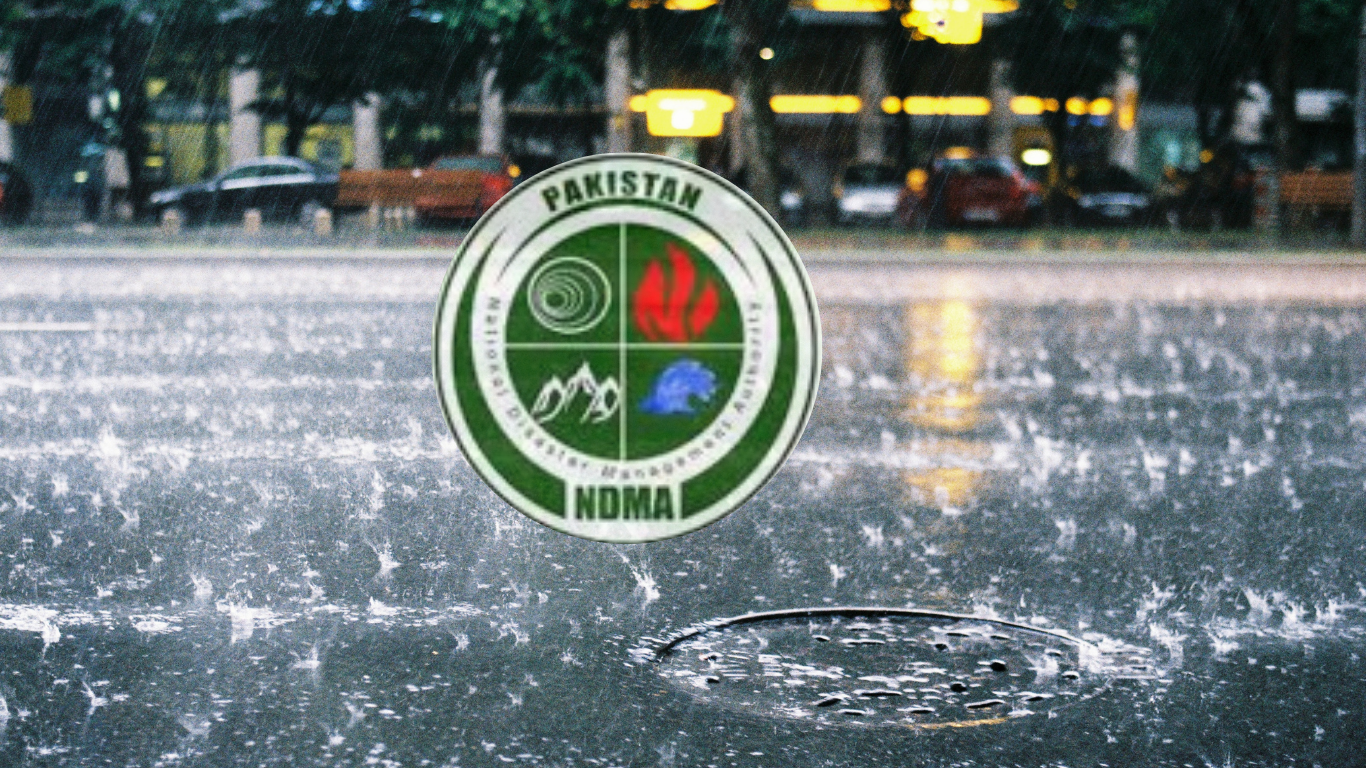
The National Disaster Management Authority (NDMA) has issued a fresh warning of heavy rainfall across several districts of Punjab and Azad Jammu & Kashmir (AJK) in the next 12 to 24 hours, raising concerns about urban flooding, landslides, and flash floods in vulnerable areas.
According to the NDMA’s National Emergency Operation Center (NEOC), heavy downpours are expected in:
- Punjab districts: Gujrat, Gujranwala, Sialkot, Narowal, Lahore, Kasur, Jhelum, Chakwal, Mandi Bahauddin, Hafizabad, Nankana Sahib, Chiniot, and Pakpattan.
- AJK districts: Neelum Valley, Bagh, Kotli, Rawalakot, Muzaffarabad, and Haveli.
The alert warned of urban flooding in low-lying cities and potential overflow of streams and drains, particularly in hilly regions where landslides and flash floods pose serious risks.
The NDMA also highlighted rising water levels in the River Sutlej, where large-scale evacuation operations are already underway. Rescue teams from PDMA Punjab, Rescue 1122, and the Pakistan Army are actively engaged in relief and rescue operations to ensure the safety of residents.
Authorities have urged citizens to take precautionary measures to minimize risks:
- Avoid unnecessary travel, especially to hilly or flood-prone regions.
- Stay away from rivers, streams, and nullahs with strong water flow.
- Follow instructions and alerts issued via TV, radio, SMS, and the NDMA’s Disaster Alert app.
This latest warning follows NDMA’s earlier alerts regarding climate-related risks, including rising water levels, extreme monsoon patterns, and urban flooding threats. With climate change intensifying Pakistan’s weather events, disaster preparedness remains critical.
The NDMA has urged the public to remain vigilant and cooperate with local authorities during this high-risk period. Relief efforts are ongoing, but residents in vulnerable zones should prioritize safety and follow official guidance.