 By ABDULLAH
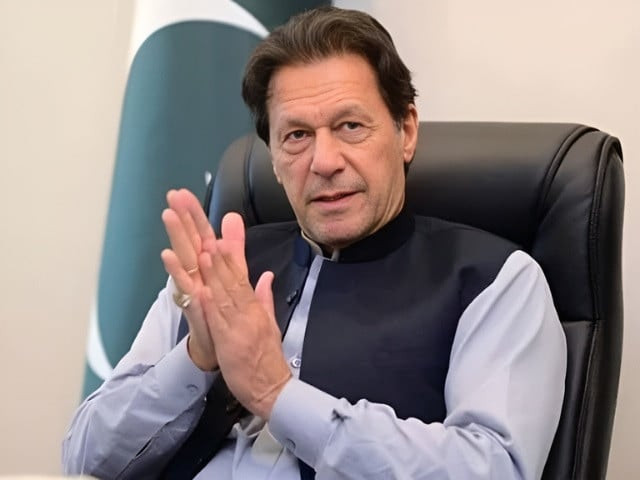
Political temperatures are once again rising in Pakistan, As August 5 Protest approaches,. The Pakistan Tehreek-e-Insaf (PTI) has announced nationwide protests to mark the second anniversary of the arrest of its founder and former Prime Minister Imran Khan. But while the party calls for mass mobilization, analysts and insiders question whether PTI has the organizational strength and public momentum to deliver a truly national-level demonstration.
Table of Contents
According to PTI spokespersons, the August 5 protest is not about confrontation, but rather about justice and the rule of law. Backed by the Tehreek Tahaffuz Ain-e-Pakistan (TTAP) alliance, the protest is being framed as a peaceful struggle against what PTI calls the “illegal detention” of Imran Khan and several party leaders.
The party says it will observe August 5 as a Black Day, commemorating the date Imran Khan was first arrested in a corruption case. The protests will take place under three flags: the national flag, the PTI flag, and a white flag symbolizing peace.
The date is symbolic for PTI supporters, marking two years since Imran Khan’s controversial arrest from Lahore. Since then, Khan has been embroiled in numerous legal challenges, including:
- Toshakhana case – Accused of under-declaring and selling state gifts worth Rs140 million
- Al-Qadir Trust case – A 14-year sentence involving a Rs7 billion land transaction
- Cipher case & marriage case – Charges that were later suspended or overturned
- May 9 riots – Sparked over 150 terrorism and incitement cases still pending
The party claims these cases are politically motivated attempts to disqualify Khan from future elections.
While PTI still holds significant sway in rural areas, particularly in Khyber Pakhtunkhwa and Punjab, urban middle-class supporters are more cautious. Many fear that street demonstrations could worsen Pakistan’s fragile economy and increase security crackdowns.
This divide has led to differing views within PTI itself. Some party members support aggressive protests, while others urge a more tempered, legal approach. Analysts warn this lack of unified strategy may lead to fragmented protests rather than a sweeping national movement.
Pakistan’s authorities appear to be downplaying the August 5 protests. Despite earlier announcements, Federal Constabulary units have not been fully deployed, with local police being assigned to maintain order.
State measures, including mobile internet shutdowns and curfews, are likely to continue, which may further discourage large crowds from assembling.
Analysts like Prof Tahir Malik and Majid Nizami predict small, localized sit-ins and rural roadblocks, rather than a mass mobilization in major urban centers.
Under instructions from Imran Khan, PTI has decided to forgo a central rally in Islamabad and instead focus on district-level demonstrations across the country:
- Peshawar & Khyber Districts: Rally from Hayatabad Toll Plaza to Qila Bala Hisar, starting 3:30 PM
- Swabi: One-day protest at Ambar Interchange, from 3:30 PM till Isha prayers
- Nowshera: Protest at Khairabad, from 3:30 PM till Isha prayers
All PTI lawmakers and ticket holders are required to record videos of their gatherings and submit them to regional leadership for documentation and visibility.
At an emergency press conference, TTAP Secretary General Asad Qaiser called for:
- Peaceful protests within legal and constitutional frameworks
- Transparent, merit-based trials for Imran Khan
- An independent judicial commission to investigate the events of May 9
- Restoration of judicial independence and parliamentary integrity
PTI Chairman Gohar Ali Khan, speaking in Buner, said,
“This is not just Imran Khan’s voice—it’s the voice of 170 million Pakistanis. This movement is not temporary; it’s a constitutional struggle.”
The success of the August 5 protest will depend on:
- Leadership unity
- Grassroots mobilization
- Public sentiment
- State reaction
With legal troubles mounting and internal divisions growing, PTI faces an uphill battle. While rural areas may see energetic participation, the urban turnout remains uncertain.
Still, with growing discontent over governance and a charismatic leader behind bars, the question remains: Will August 5 mark a political resurgence or another symbolic protest that fades into silence?