
 By ABDULLAH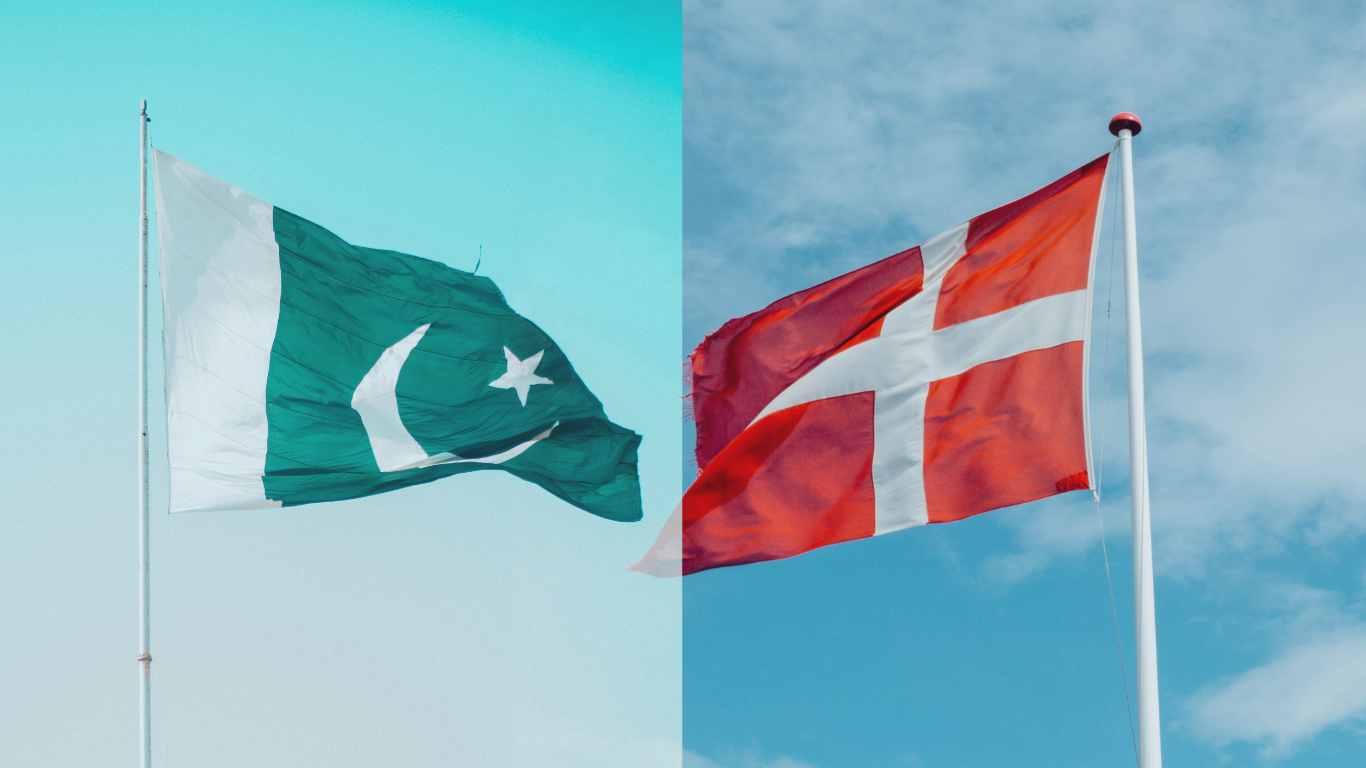
In a significant step toward tackling Pakistan’s urban environmental challenges, the Government of Pakistan and Denmark have signed a concessional loan agreement to construct a state-of-the-art Wastewater Treatment Plant (WWTP) in Faisalabad.
The project, formally titled “Construction of Eastern Wastewater Treatment Plant (33 MGD) of Faisalabad City Phase-I”, will have a treatment capacity of nearly 200,000 cubic meters per day, making it one of the largest initiatives of its kind in the country. It is expected to play a vital role in protecting the environment, improving public health, and building resilient urban infrastructure for one of Pakistan’s fastest-growing industrial hubs.
The loan agreement was signed in Islamabad by Muhammad Humair Karim, Secretary of the Ministry of Economic Affairs, and Tina Kullerup Hausen, Managing Director of Danida Sustainable Infrastructure Finance (DSIF), alongside Jesper B. Petterson, Managing Director of Danske Bank.
The financing is being provided through DSIF under highly favorable terms. With a 35% concessionality margin, the loan is much more affordable compared to standard market financing. This makes it easier for Pakistan to take on such large-scale sustainable infrastructure projects without adding unsustainable debt burdens.
Faisalabad, often referred to as Pakistan’s “Manchester” due to its thriving textile industry, has long struggled with untreated industrial and household wastewater. Currently, a significant portion of sewage flows untreated into natural water bodies, contaminating rivers, affecting agriculture, and posing major public health risks.
The new WWTP will:
- Reduce water pollution by safely treating wastewater before it re-enters rivers and canals.
- Protect public health by minimizing the spread of waterborne diseases.
- Support industry by enabling cleaner and more sustainable water use in Faisalabad’s textile and manufacturing sectors.
- Build climate resilience by promoting green, sustainable urban development.
This project is particularly notable because it marks Denmark’s first development sector intervention in Pakistan after a long hiatus, and also the first loan finalized under the Pakistan–Denmark Framework Agreement of 2022.
Denmark has long been recognized as a leader in renewable energy and sustainable engineering solutions. With Danish contractors and engineering companies expected to take part, the project will also bring cutting-edge green technology and international expertise into Pakistan’s infrastructure sector.
Earlier this year, Pakistan and Denmark also reaffirmed a $2 billion partnership to modernize maritime infrastructure and promote sustainability in port operations. Together, these initiatives reflect a broader shift toward green cooperation between the two nations.
In addition to the Faisalabad project, DSIF has already shown interest in supporting similar initiatives in Pakistan. A feasibility study for a new wastewater treatment plant at Kattar Bund, Lahore is also on the table, with DSIF expected to finance 75% of the study costs.
Environmental experts say these projects are long overdue. With rising urbanization, untreated wastewater has become one of the biggest threats to both the environment and the economy. The Faisalabad WWTP is being seen as a model project that could be replicated in other major cities like Karachi, Lahore, and Rawalpindi.
For ordinary citizens, this project represents more than just infrastructure – it is about cleaner water, healthier living, and a safer future. For the government, it demonstrates a commitment to sustainable development and building strong partnerships with countries like Denmark.
With Faisalabad’s new wastewater treatment plant, Pakistan takes a concrete step toward solving one of its most pressing urban challenges while setting the stage for greener, more resilient cities in the years to come.
Q: What is the capacity of the new Faisalabad wastewater treatment plant?
A: The Eastern Wastewater Treatment Plant will treat up to 200,000 cubic meters per day (33 million gallons daily).
Q: Why is this project important for Faisalabad?
A: It will significantly reduce water pollution, protect public health, and support industries by ensuring safer water management.
Q: Who is financing the project?
A: The project is financed through a concessional loan by Danida Sustainable Infrastructure Finance (DSIF), Denmark.
Q: Is this Denmark’s first major development project in Pakistan?
A: Yes, it is Denmark’s first development sector intervention after a long gap, and the first loan under the Pakistan–Denmark Framework Agreement (2022).
Q: Will similar projects be launched in other cities?
A: Yes, DSIF is already preparing to fund a feasibility study for another wastewater treatment project in Lahore.